
Dark Tourism Dissertation Topics for 2026
Common Questions Students Ask Before Choosing a Topic
Students often turn to academic forums, university discussion boards, and research communities when they feel uncertain about selecting a dissertation subject. The questions below reflect the type of concerns many students share when exploring Dark Tourism Dissertation Topics.
Some of the most common questions include:
- How do I choose a strong and researchable topic in dark tourism?
- What are the current Dark Tourism research topics that universities consider relevant?
- Can undergraduate, MSc, and PhD students work on the same theme in different ways?
- Are there specific dark tourism dissertation topics for an MSc student that are more suitable for postgraduate research?
- What are good dark tourism research proposal ideas for undergraduate students?
- How can I make sure my topic is original and academically valuable?
- Are there location based dark tourism thesis topics for the UK that universities prefer?
- What kind of dark tourism project topics for a PhD dissertation are considered advanced enough?
- Where can I find a structured dark tourism dissertation topics pdf to help me shortlist ideas?
These questions show that topic selection is not only about choosing something interesting. Students want topics that are manageable, relevant, and academically credible.
Introduction
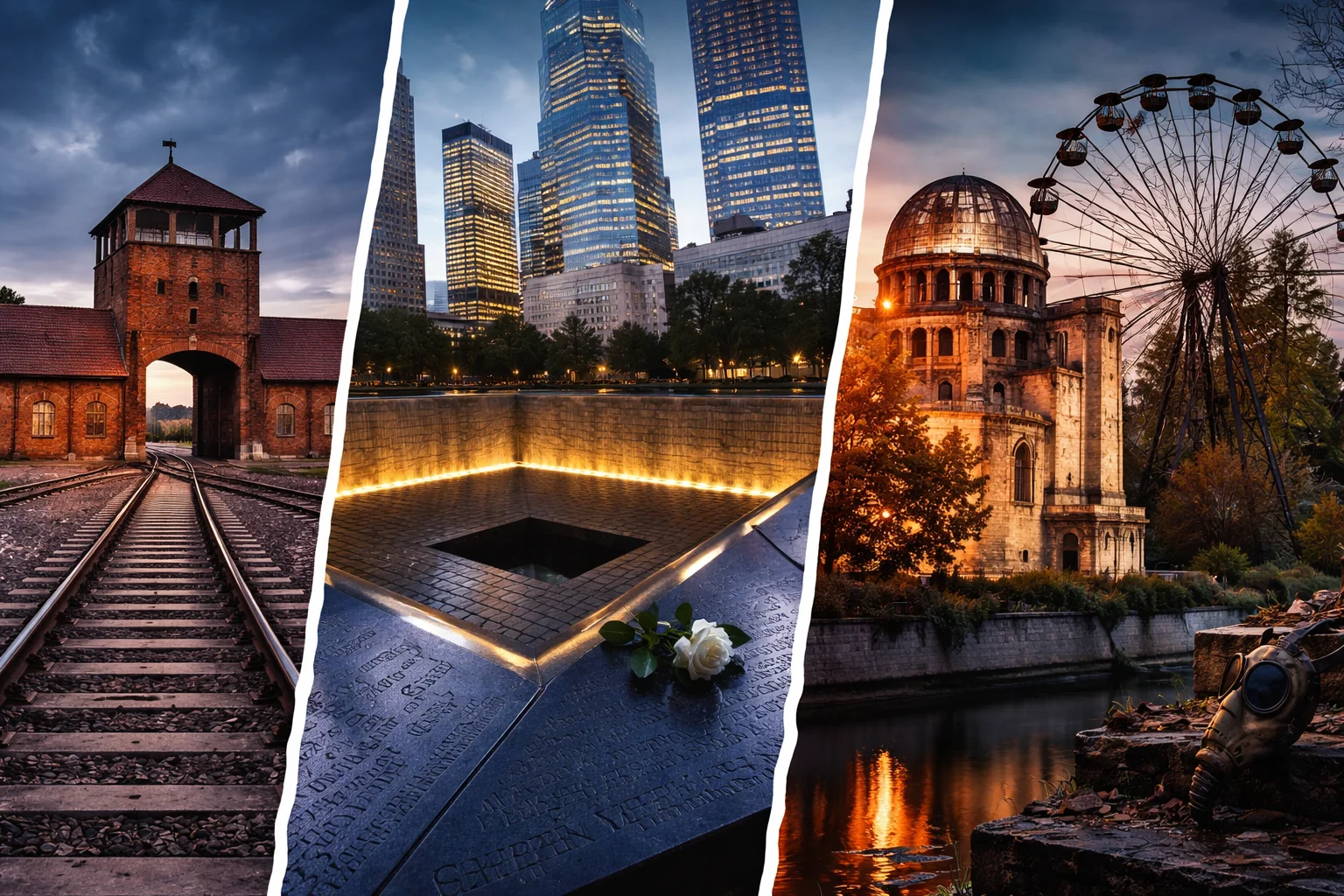
Dark tourism has become an increasingly important research area within tourism studies. It refers to travel associated with places linked to tragedy, conflict, death, or historical suffering. Examples include genocide memorials, battlefields, disaster sites, prisons, and memorial museums.
Interest in this area has grown because researchers want to understand why people visit such locations and how societies interpret difficult histories. When students choose from a list of Dark Tourism Dissertation Topics, they are not simply selecting a subject. They are engaging with complex issues such as collective memory, ethics, heritage interpretation, and visitor behaviour.
Selecting the right topic also determines how manageable the dissertation will be. A focused topic allows students to design a clear methodology, collect meaningful data, and produce a well structured academic argument.
Many students who explore related areas like Cultural and Heritage Tourism Dissertation Topics later discover that dark tourism overlaps strongly with heritage interpretation, historical narratives, and memorial culture.
This guide explains the most important research areas, provides structured examples of dissertation aims and objectives, and offers more than one hundred carefully designed research topics suitable for 2026 academic standards.
Why Choosing the Right Dissertation Topic in Dark Tourism Matters
Choosing the Right dissertation topic in Dark Tourism shapes the entire research process. A well chosen topic makes it easier to define research questions, select methods, and identify relevant literature.
In tourism studies, a strong dissertation topic should meet several academic criteria:
1. Research relevance
The topic should contribute to existing knowledge about tourism behaviour, heritage interpretation, or memorialisation.
2. Clear research scope
The topic must be narrow enough to complete within the time limits of a dissertation.
3. Data availability
Students should be able to collect primary or secondary data through interviews, surveys, archival material, or site analysis.
4. Ethical awareness
Dark tourism research often involves sensitive historical contexts. Students must approach such topics with academic responsibility.
5. Academic contribution
The topic should add insight into tourism management, cultural interpretation, or visitor experience.
Students who feel uncertain during this stage often look for structured Help with Dissertation guidance because early topic selection strongly influences the quality of the final research.
Key Research Areas in Dark Tourism Studies
The field of dark tourism includes several established research directions. Understanding these areas helps students identify suitable Dark tourism dissertation topics 2025 trends that remain relevant for 2026 research.
Visitor Motivations and Behaviour
Researchers frequently study why tourists visit places associated with tragedy. Some motivations include education, remembrance, curiosity, identity formation, or historical learning.
Key questions include:
- Why are people attracted to sites connected with death or conflict?
- Do visitors seek education, emotional experience, or historical understanding?
- How do cultural backgrounds influence visitor motivations?
Cultural and Community Impacts
Dark tourism sites often exist within communities that experienced historical trauma. Researchers examine how tourism affects these communities socially and culturally.
Common themes include:
- Community perceptions of tourism
- Heritage interpretation
- Cultural identity and memory preservation
Education and Historical Memory
Many dark tourism sites function as educational environments. Museums and memorials aim to teach visitors about difficult historical events.
Researchers explore:
- How museums interpret historical trauma
- Visitor learning experiences
- The role of memorial tourism in education
Economic and Ethical Dimensions
Dark tourism raises ethical questions about the commercialisation of tragedy.
Researchers examine:
- Ethical interpretation of traumatic history
- Visitor management
- Tourism revenue and heritage preservation
Technology and Digital Interpretation
Modern dark tourism increasingly uses technology to communicate historical narratives.
Digital tools include:
- virtual reality experiences
- digital archives
- interactive museum displays
These innovations have created new directions for Dark Tourism research Topics in recent years.
Download Dark Tourism Dissertation Topics PDF
Many students prefer to review potential topics offline when they begin planning their research proposal. For this reason, universities and academic guidance platforms often provide curated dark tourism dissertation topics pdf resources that organise topics according to academic level and research focus.
Students who request such a document typically receive a structured list of topic suggestions prepared by academic specialists after completing a short request form. These curated lists often include undergraduate, MSc, and PhD level research directions along with brief explanations that help students narrow their interests before finalising a dissertation proposal.A List of Dark Tourism Dissertation Topics for 2026A List of Dark Tourism Dissertation Topics for 2026
A List of Dark Tourism Dissertation Topics for 2026
Below is a comprehensive list of more than 100 specialised research topics designed for undergraduate, MSc, and PhD research.
Analysing Visitor Motivations and Behaviours
- Visitor motivations at genocide memorial museums
- Emotional responses of tourists at war memorial sites
- Curiosity driven tourism at abandoned disaster locations
- Visitor learning experiences at concentration camp museums
- Cultural background and dark tourism motivations
- Social media influence on dark tourism travel decisions
- Emotional engagement of tourists at historical prisons
- Psychological motivations behind battlefield tourism
- Generational differences in dark tourism participation
- Visitor perceptions of authenticity at memorial sites
- The role of empathy in dark tourism experiences
- Educational motivations in memorial tourism
- Ethical awareness among dark tourism visitors
- Cultural identity and pilgrimage style dark tourism
- Motivational differences between domestic and international visitors
- Tourist expectations before visiting genocide memorials
- Memory seeking behaviour among heritage tourists
- Curiosity versus education in dark tourism motivations
- Visitor satisfaction at historical tragedy museums
- Repeat visitation behaviour at memorial heritage sites
Impacts of Dark Tourism on Communities and Culture
- Community perceptions of tourism at war memorial towns
- Social impacts of tourism at disaster heritage locations
- Community participation in memorial tourism management
- Cultural identity and dark heritage preservation
- Resident attitudes towards tourism at conflict heritage sites
- Tourism development near genocide memorial museums
- Local employment effects of memorial tourism
- Community resistance to dark tourism development
- Heritage preservation challenges at tragedy sites
- Cultural memory and tourism narratives
- Heritage tourism and intergenerational memory transmission
- Community storytelling in memorial tourism interpretation
- The role of local guides in presenting tragic history
- Dark tourism and cultural heritage identity
- Tourism pressure on sensitive historical sites
- Community involvement in memorial museum design
- Cultural preservation through memorial tourism
- Local perceptions of tourism ethics at tragedy sites
- Urban regeneration through dark heritage tourism
- Cultural representation in historical disaster museums
The Role of Dark Tourism in Education and Memory
- Educational programmes at genocide memorial museums
- Historical interpretation in memorial heritage sites
- Visitor learning outcomes in war museums
- Dark tourism as a tool for peace education
- Educational value of battlefield tourism
- Museum narratives and historical memory formation
- Student learning experiences at memorial museums
- Heritage education through guided tours
- Museum storytelling and visitor engagement
- Historical trauma interpretation in tourism sites
- Digital archives and historical learning in museums
- Memorial tourism and collective memory preservation
- Interactive exhibitions and visitor understanding
- Role of museums in preserving traumatic history
- School tourism visits to memorial heritage sites
- Educational narratives in post conflict museums
- Museum curation of difficult heritage
- Visitor reflection after memorial site visits
- Memorial tourism and historical awareness
- Heritage storytelling techniques in dark tourism museums
Economic and Ethical Dimensions of Dark Tourism
- Ethical challenges in marketing dark tourism destinations
- Commercialisation of tragedy in tourism industries
- Visitor perceptions of ethical tourism practices
- Economic benefits of memorial tourism for cities
- Heritage management at sensitive tourism sites
- Ethical storytelling in genocide museums
- Visitor behaviour guidelines at memorial locations
- Tourism policy for dark heritage sites
- Ethical limits of tourism development at tragedy sites
- Economic sustainability of memorial tourism
- Responsible tourism frameworks for memorial sites
- Tourism management strategies for battlefield heritage
- Visitor conduct and ethics at memorial museums
- Ethical photography practices in dark tourism
- Governance of sensitive heritage tourism sites
- Tourism revenue and heritage preservation
- Ethical interpretation in disaster tourism
- Tourism branding of tragic historical sites
- Ethical tourism guidelines for genocide memorials
- Responsible visitor behaviour at dark heritage locations
Technology and Dark Tourism in the Modern Era
- Virtual reality experiences in memorial museums
- Augmented reality storytelling at historical war sites
- Digital interpretation in genocide museums
- Online memorial tourism experiences
- Interactive museum technology and visitor engagement
- Virtual tours of historical tragedy sites
- Digital storytelling in memorial exhibitions
- Social media representation of dark tourism sites
- Technology driven visitor engagement in museums
- Online education platforms for memorial heritage
- Digital archives and public history interpretation
- Virtual reality for historical education tourism
- Artificial intelligence in museum interpretation
- Mobile apps for memorial site navigation
- Technology enhanced visitor engagement in museums
- Digital memorialisation of historical tragedies
- Virtual remembrance spaces in tourism
- Online communities discussing dark tourism experiences
- Virtual exhibitions of conflict heritage
- Digital storytelling in heritage tourism education
- Visitor interaction with immersive museum exhibits
- Online visitor reviews of memorial tourism sites
- Digital heritage preservation in museums
- AI guided tours at memorial museums
- Virtual reconstruction of historical tragedy sites
- Museum digitisation and public accessibility
- Technology and ethical interpretation in heritage tourism
- Virtual memorial experiences and visitor reflection
- Immersive storytelling in historical museums
- Digital heritage education in dark tourism
Five Example Dark Tourism Dissertation Topics with Aim and Objectives
The examples below demonstrate how strong research topics are structured academically.
Visitor motivations at Holocaust memorial sites in Europe
Research Aim
To explore the motivations influencing visitor engagement at Holocaust memorial museums.
Research Objectives
- To analyse visitor expectations before visiting memorial sites
- To examine emotional and educational outcomes of the visit
- To evaluate how interpretation influences visitor understanding
The role of dark tourism in historical education
Research Aim
To assess how memorial tourism contributes to public historical awareness.
Research Objectives
- To examine educational programmes at memorial museums
- To analyse visitor learning experiences
- To evaluate the role of interpretive storytelling
Community perceptions of tourism at disaster memorial sites
Research Aim
To investigate local community attitudes towards tourism at sites of tragedy.
Research Objectives
- To analyse resident perceptions of visitor behaviour
- To explore community involvement in heritage management
- To examine perceived social impacts of tourism
Ethical interpretation of conflict heritage in tourism
Research Aim
To evaluate ethical challenges in presenting war related heritage to tourists.
Research Objectives
- To analyse interpretive narratives used in war museums
- To examine visitor perceptions of ethical storytelling
- To identify best practices in heritage presentation
Digital storytelling in memorial museums
Research Aim
To investigate how digital technologies enhance visitor engagement in memorial museums.
Research Objectives
- To assess educational effectiveness of digital interpretation
- To evaluate digital storytelling tools used in museums
- To analyse visitor responses to immersive exhibits
Conclusion
Dark tourism continues to grow as an important research area within tourism and heritage studies. Scholars increasingly examine how societies remember tragedy, interpret difficult history, and educate visitors through heritage sites.
Choosing from suitable Dark Tourism Dissertation Topics allows students to contribute to discussions about ethics, education, cultural memory, and tourism management. A strong topic should always be specific, researchable, and aligned with available data sources.
Students should also remember that a dissertation is not only an academic requirement. It is an opportunity to explore an area of genuine intellectual interest while developing research skills that are valuable for academic or professional careers.
When students approach the topic selection process carefully and remain open to expert guidance, they can develop research that is both meaningful and academically credible.
With the right preparation, a well chosen dark tourism dissertation can provide valuable insights into how societies remember history and how tourism shapes our understanding of the past.